Data Security: Protecting Your Most Valuable Assets
Cybersecurity threats evolve constantly, targeting organizations of all sizes across the world. From ransomware attacks that encrypt critical data to sophisticated intrusions that exfiltrate intellectual property, modern threats demand comprehensive security architectures. Professional ICT infrastructure provides the foundation for effective cybersecurity through defense-in-depth approaches that protect at multiple layers.
Understanding the Threat Landscape
Today’s cyber threats span a wide spectrum. Ransomware encrypts business-critical data, demanding payment for decryption keys. Advanced persistent threats infiltrate networks for espionage or intellectual property theft. Distributed denial of service attacks overwhelm systems, causing operational disruption. Insider threats exploit authorized access. Supply chain compromises introduce vulnerabilities through trusted vendors. Each threat category requires specific defensive measures, implemented through properly configured infrastructure and security controls.
Network Security Architecture
Security begins at the network layer. Enterprise firewalls filter traffic between security zones. Intrusion detection and prevention systems monitor for attack patterns. Network access control restricts connectivity to authenticated devices. VPN concentrators secure remote access. Web filtering blocks malicious sites. Email security gateways stop phishing attempts. These infrastructure components work together, creating overlapping protective layers that defend against diverse threats while maintaining necessary business connectivity.
Datacenter and Physical Security
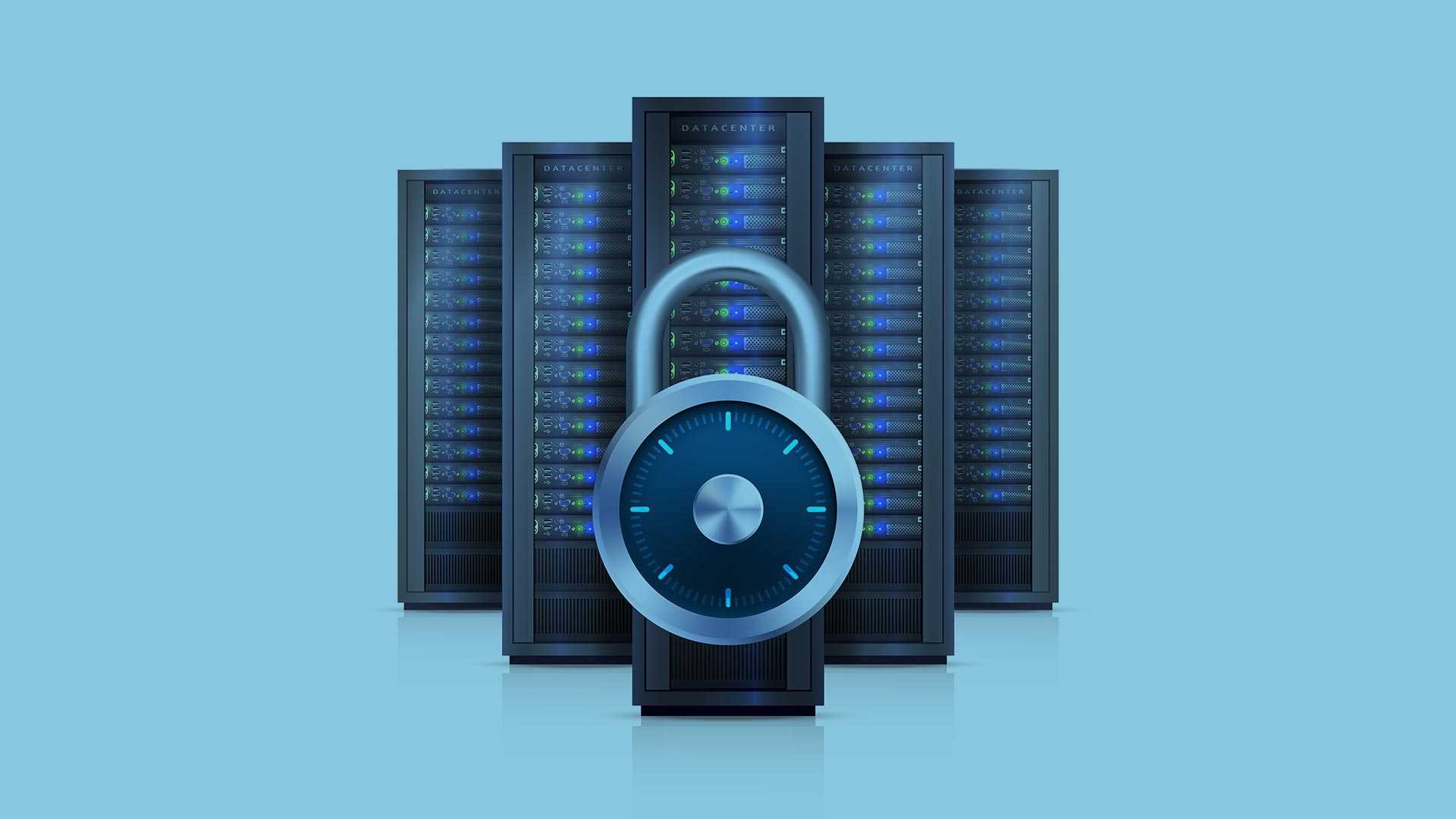
Digital security requires physical protection. Professional datacenters implement access controls, surveillance systems, and environmental monitoring. Server rooms feature restricted entry with audit trails. Backup media receives secure storage. Disposal procedures prevent data recovery from decommissioned equipment. These physical controls complement cybersecurity measures, ensuring comprehensive protection that addresses both digital and physical threat vectors.
Backup and Disaster Recovery
Security incidents happen despite best preventive measures. Comprehensive backup infrastructure enables recovery from ransomware, hardware failures, or data corruption. Professional implementations follow the 3-2-1 rule: three copies of data, on two different media types, with one copy offsite. Regular testing verifies backup integrity and recovery procedures. This resilient approach ensures business continuity even when security controls fail, providing the ultimate safeguard for critical data.
Frequently Asked Questions
Q1: What level of security investment is appropriate for our organization?
Security investment should reflect the value of protected assets and regulatory requirements. Government agencies, healthcare providers, and financial institutions face compliance mandates driving minimum security standards. Commercial organizations should allocate 10-15% of IT budget to security, with specific percentages varying by industry and risk profile. This investment spans people (security staff and training), process (policies and procedures), and technology (infrastructure security controls). Imperion Integrated Technologies helps organizations assess risk, determine appropriate security posture, and implement controls that balance protection against cost and operational impact.
Q2: How do we balance security requirements with user productivity?
Effective security enables rather than impedes business operations. Modern approaches like risk-based authentication challenge users only when activities appear suspicious. Single sign-on reduces password burden while improving security. VPN split tunneling provides secure remote access without routing all traffic through corporate infrastructure. Security awareness training helps users recognize threats without constant technical obstacles. The key is implementing controls proportionate to risk, using technology to make security invisible for normal activities while blocking genuine threats. Professional security architecture achieves this balance through careful design and continuous refinement.
Q3: What should our incident response plan include?
Comprehensive incident response plans define roles and responsibilities, establish communication protocols, document escalation procedures, specify containment strategies, outline recovery processes, and include post-incident review requirements. Plans should address diverse scenarios: ransomware infections, data breaches, denial of service attacks, insider threats. Regular tabletop exercises test plan effectiveness and improve team coordination. Having professional ICT support available 24/7 ensures expert assistance during security incidents, reducing response time and minimizing damage. Imperion Integrated Technologies provides security incident response services, helping organizations contain threats, recover operations, and implement corrective measures to prevent recurrence.
Protect your digital assets with comprehensive security infrastructure designed by experts.
Contact Imperion Integrated Technologies for security assessment and implementation.